
Introduction
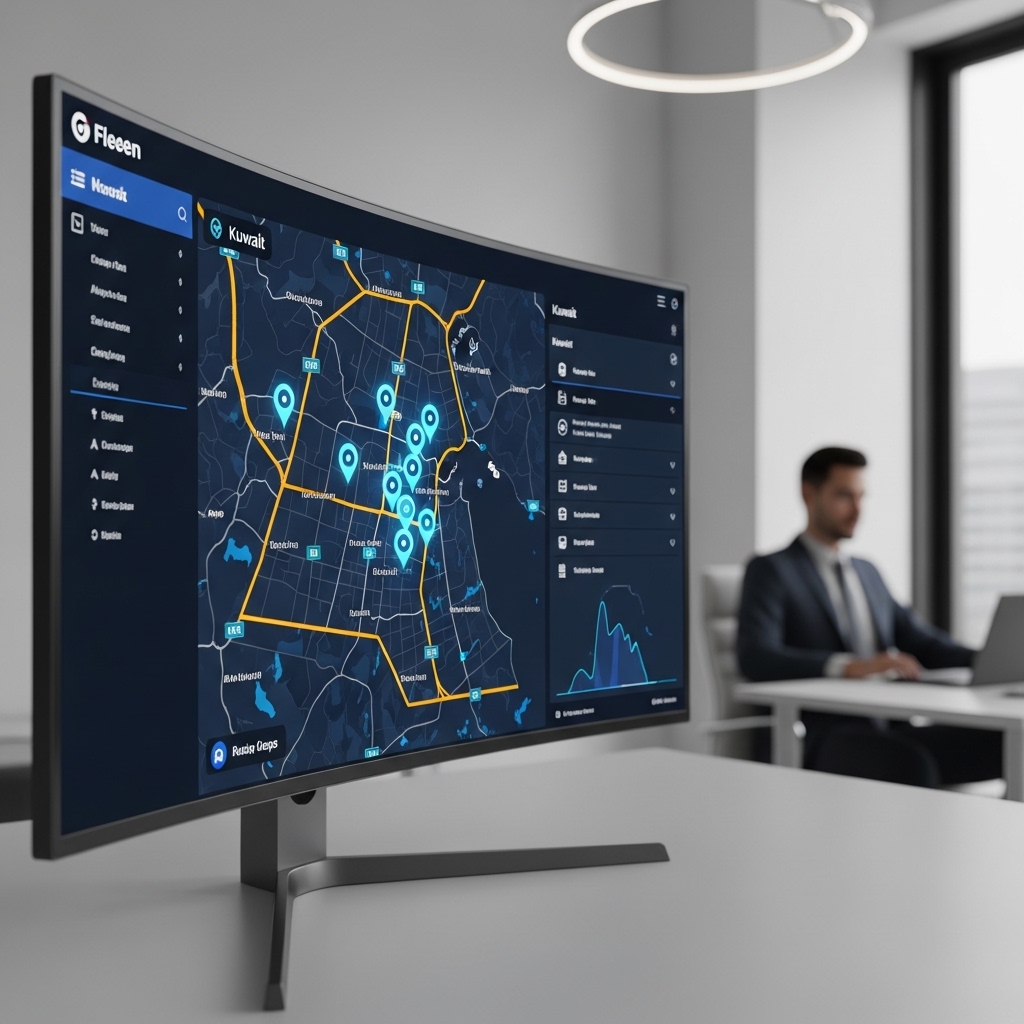
Managing a fleet without data is like driving with no mirrors. Vehicle tracking systems in Kuwait have become a must-have tool for businesses that depend on vehicles to deliver results. Whether you run a logistics company, a school transport service, or a government fleet, the right system can cut costs, improve safety, and give you full visibility over every vehicle — in real time. In this guide, we compare the top options available in Kuwait for 2026, so you can make an informed decision.
Key Takeaways
- Vehicle tracking systems in Kuwait reduce fuel waste, unauthorized trips, and response time — all from a single dashboard.
- The best fleet GPS devices combine real-time location tracking, driver behavior monitoring, and detailed analytics.
- Car tracking Kuwait solutions vary by features and fleet size — choosing the right fit depends on your operational goals.
Why Vehicle Tracking Has Become Essential in Kuwait
Kuwait’s fast-growing business environment demands smarter fleet control — and GPS tracking is now the standard approach for efficiency-focused organizations.
Kuwait’s roads are busy. Delivery windows are tight. Fuel is a major expense. And customers expect real-time updates. Businesses across Kuwait — from oil and gas support services to retail delivery companies — are turning to fleet GPS devices to stay competitive. According to a global industry report, the fleet management market is projected to exceed $52 billion by 2027, with Gulf countries representing a fast-growing segment.
Local challenges add urgency. Urban congestion, long inter-city routes, and the high cost of unplanned vehicle downtime make manual fleet oversight impractical. Vehicle tracking gives operations managers the data they need to act fast, plan smarter, and reduce unnecessary costs.
Fleet GPS — Key Statistics at a Glance
| Metric | Impact |
| Fuel savings of up to 25% with GPS tracking | Up to 25% |
| Significant reduction in unauthorized vehicle use | Documented benefit |
| Improvement in customer service scores (vendor-reported) | Up to 38% |
| Global fleet management market by 2027 | $52 Billion |
Key Features to Look for in a Vehicle Tracking System
Not all tracking systems are equal — understanding must-have features helps you avoid costly mistakes when selecting your platform.
Before comparing providers, it helps to know what separates a basic GPS tracker from a fully capable fleet management platform. The best systems go beyond location — they give you control over driver performance, maintenance schedules, fuel usage, and compliance reporting. Here are the core features every business should evaluate:
| Feature | What It Does |
| 📍 Real-Time GPS Tracking | Live location updates every few seconds with a dynamic map view |
| 🚨 Geofencing Alerts | Instant alerts when a vehicle enters or exits a defined zone |
| 🧑✈️ Driver Behavior Monitoring | Tracks speeding, harsh braking, and excessive idling |
| ⛽ Fuel Consumption Reports | Identifies fuel waste patterns across routes and drivers |
| 🔧 Maintenance Scheduling | Automated reminders based on mileage or engine hours |
| 📊 Analytics & Reporting | Custom reports and historical trip data export |
For fleets operating in Kuwait’s climate extremes, features like engine temperature alerts and remote immobilization are particularly valuable. Systems that integrate with camera-based safety tools add an extra layer of protection for drivers working in high-risk conditions. You can explore how blind spot monitoring and 360° vision systems complement GPS tracking for complete fleet safety coverage.
Top Vehicle Tracking Systems Available in Kuwait for 2026
From cloud-based platforms to ruggedized hardware, here is a comparison of leading vehicle tracking solutions serving Kuwait’s fleet operators in 2026.
Kuwait’s market now offers a strong range of vehicle tracking and car tracking options — from international platforms to locally supported solutions with Arabic interfaces and Kuwait-based support teams. Below is a feature comparison of what to expect from leading systems:
| Feature | Entry-Level | Mid-Tier | Enterprise |
| Real-Time GPS Tracking | ✅ Included | ✅ Included | ✅ Included |
| Driver Behavior Monitoring | ❌ Not Available | ⚠️ Basic | ✅ Advanced |
| Geofencing & Alerts | ⚠️ Limited | ✅ Included | ✅ Customizable |
| Fuel & Maintenance Reports | ❌ Not Available | ✅ Included | ✅ Full Suite |
| Camera & Safety Integration | ❌ Not Available | ⚠️ Optional | ✅ Included |
| Arabic Interface & KW Support | ⚠️ Varies | ⚠️ Varies | ✅ Dedicated |
| API & System Integration | ❌ Not Available | ⚠️ Limited | ✅ Full API |
Spotlight: Safari Fleet Management System
TechBiz Solutions offers the Safari Fleet Management System — a locally supported, enterprise-ready platform built for businesses in Kuwait. It delivers real-time GPS tracking, driver performance analysis, geofencing, and detailed fleet analytics. With Arabic language support and a Kuwait-based team behind it, Safari Fleet removes the language barrier and response-time delays common with international-only vendors.
Benefits of Using Fleet GPS Devices for Your Business
Fleet GPS devices deliver measurable ROI through lower fuel bills, fewer accidents, and more productive drivers — benefits that show up on your bottom line fast.
Investing in fleet GPS devices is not just about knowing where your vehicles are. It is about changing how your whole operation behaves. When drivers know they are being monitored, they tend to drive more carefully. When managers can see route data, they can optimize schedules. The result is a cascade of improvements that affect cost, safety, and customer satisfaction simultaneously.
Here are the most impactful benefits businesses in Kuwait report after implementing a tracking system:
- Fuel Cost Reduction: GPS data exposes inefficient routes and excessive idling. Many fleets report fuel savings of 15–25% within the first quarter.
- Reduced Unauthorized Use: After-hours alerts and trip history logs eliminate ghost trips. Accountability improves across the entire driver pool.
- Faster Emergency Response: Dispatchers can instantly locate the nearest available vehicle, cutting response time in time-sensitive operations.
- Lower Insurance Premiums: Many insurers in the region offer discounted rates for fleets that use certified tracking systems.
- Improved Customer Satisfaction: Accurate ETAs and real-time delivery updates build trust and reduce customer complaints.
Driver wellbeing is also a real benefit. Advanced fatigue and distraction detection systems paired with GPS tracking create a complete safety ecosystem — alerting managers before incidents escalate into accidents.
How to Choose the Right Car Tracking System in Kuwait
The right car tracking Kuwait solution depends on your fleet size, budget, and the specific challenges your operation needs to solve.
Choosing a car tracking system in Kuwait is not a one-size-fits-all decision. A delivery startup with five vehicles has very different needs from a government transport authority managing 500. Here is a practical framework to guide your evaluation:
1. Define Your Operational Pain Points First
Are drivers speeding? Are vehicles going off-route? Is fuel disappearing without explanation? Start by listing your three biggest fleet problems. The right system should directly address each one. Do not pay for features you will not use — but also do not cut corners on the capabilities you actually need.
2. Evaluate Local Support and Language Capabilities
In Kuwait, local support matters. When a device fails or an alert stops working, you need a team that can respond quickly — ideally in Arabic and during Kuwait business hours. International-only vendors often fall short here. Locally supported platforms like Safari Fleet offer the responsiveness and cultural context that international providers simply cannot match.
3. Look for Scalability and Integration
Your fleet may grow. Your software needs to grow with it. Choose a platform that can scale from 10 to 1,000 vehicles without requiring a system change. Also confirm whether the platform integrates with your existing ERP, payroll, or logistics tools. Seamless data flow between systems reduces manual work and increases the accuracy of your reporting. Industry analysts increasingly rank integration capability as a top evaluation criterion when enterprise fleet buyers evaluate platforms, alongside real-time tracking accuracy and mobile accessibility.
4. Request a Trial or Pilot Before Full Commitment
Most reputable providers will offer a demo or short pilot period. Use it. Test the platform with real drivers on real routes. Check whether alerts fire accurately, whether reports are easy to read, and whether the mobile app works reliably on local networks. A trial removes guesswork and builds team confidence before full deployment.
Conclusion
The case for adopting vehicle tracking systems in Kuwait has never been stronger. Fuel costs are rising. Customer expectations are higher. And fleet safety is a legal and ethical priority. The right system pays for itself — often within months — through fuel savings, reduced maintenance costs, and a more accountable driver workforce. Whether you are exploring car tracking Kuwait options for a small delivery fleet or evaluating enterprise-grade fleet GPS devices for a large operation, the key is matching features to your real business needs.
Ready to take the next step? Get in touch with TechBiz Solutions and let our team help you find the right vehicle tracking solution for your fleet.
Frequently Asked Questions
Vehicle tracking systems use GPS technology to monitor the real-time location, speed, and route of each vehicle in a fleet. Data is transmitted to a central dashboard via cellular networks, giving fleet managers instant visibility and control over their entire operation from any device.
Yes. Many vehicle tracking systems in Kuwait offer scalable pricing suitable for small fleets. Entry-level and mid-tier plans let small businesses access real-time GPS tracking and basic reporting without the cost of a full enterprise platform. Platforms such as the Safari Fleet management system are designed to serve fleets of all sizes, from five vehicles upward.
A GPS tracker shows vehicle location. A fleet management system does much more — it adds driver behavior monitoring, fuel analysis, maintenance scheduling, geofencing, and reporting. Fleet management systems turn raw location data into actionable business intelligence for decision-makers.
Car tracking Kuwait pricing varies by provider, fleet size, and required features. Most providers do not publish fixed rates — they offer custom quotes based on your fleet size and operational needs. Always request a detailed proposal and compare total cost of ownership, not just the monthly per-vehicle fee.
Yes. Fleet GPS devices identify fuel-wasting behaviors such as excessive idling, speeding, and inefficient routing. Businesses typically report fuel savings of 15–25% after implementing GPS tracking. Over a large fleet, this alone can recover the full cost of the system quickly.
Yes. Most modern vehicle tracking platforms provide mobile apps for iOS and Android. Fleet managers and dispatchers in Kuwait can monitor all vehicles in real time from their smartphones, receive instant alerts, and access reports from anywhere with an internet connection.
Industries with the highest ROI from vehicle tracking include logistics and delivery, oil and gas support, construction, healthcare transport, school transport, and government fleets. Any organization managing multiple vehicles on defined schedules or routes benefits significantly from GPS fleet tracking.
Enterprise-grade fleet tracking platforms typically offer API access and pre-built integrations with ERP, payroll, and logistics software. When evaluating systems, confirm integration capabilities with your existing tools to ensure seamless data sharing and reduce manual administrative workload.
Driver behavior monitoring tracks events like speeding, harsh braking, rapid acceleration, and excessive idling. Managers receive alerts and detailed reports, enabling coaching conversations and performance incentives. This leads to safer driving habits and a measurable reduction in accidents. Many fleets also pair GPS monitoring with advanced fatigue and distraction detection to address driver alertness before incidents occur.
Implementation timelines vary by fleet size. A small fleet of 5–20 vehicles can typically be set up within a few days. Larger enterprise deployments with custom integrations may take 2–6 weeks. Choosing a provider with local Kuwait support ensures a faster and smoother rollout process.